In 1976, Sylvester Stallone wrote a screenplay in three and a half days, convinced a studio to let him star in it against their considerable better judgment, and made a film about a small-time Philadelphia boxer given one shot at the heavyweight championship. It won the Academy Award for Best Picture. It also did something that very few films manage — it permanently altered the public perception of the city it was set in.
Philadelphia before Rocky was known primarily for the Liberty Bell, the Declaration of Independence and a reputation for booing its own sports teams with unusual enthusiasm. After Rocky, it also had the steps, the statue, the cheesesteak corner and the training montage. The city commerce director at the time said Rocky had done more for Philadelphia than anyone since Benjamin Franklin, which is either an enormous compliment to the film or a damning assessment of the intervening two hundred years.
The good news for visitors is that almost everything in Rocky was shot on location in Philadelphia, using real streets and real people — many of the vendors in the Italian Market scenes were not actors, simply people who happened to be working that day and found themselves in one of the most beloved films of the decade. Most of the locations are still there, still recognisable and, in the case of Pat's King of Steaks, still operating with what appears to be the same level of cheerful brusqueness that Stallone encountered in 1975.
Location 01The Rocky Steps — Philadelphia Museum of Art
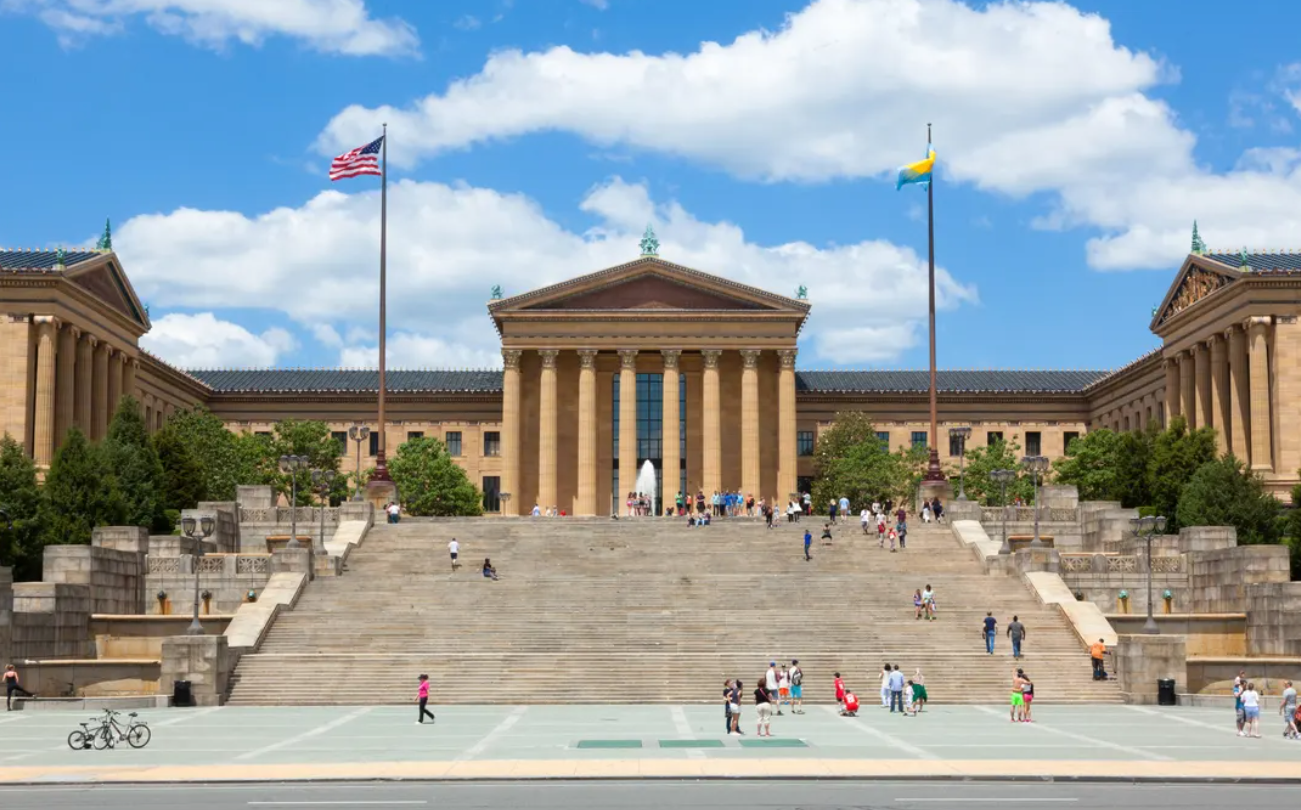
The 72 stone steps leading up to the Philadelphia Museum of Art on Benjamin Franklin Parkway are the single most visited film location in the city and one of the most visited in America. They are called the Rocky Steps. This is what they are called. The museum's own signage acknowledges this. Philadelphia has made its peace with the fact that the primary reason people climb the steps of one of the largest art museums in the country is to recreate a training montage from a 1976 boxing film while playing the trumpet fanfare from the soundtrack in their heads.
The steps are at the northwest end of Benjamin Franklin Parkway at 26th Street. There are 72 of them. Rocky runs up all 72 in the training montage, arms raised at the top, with the Philadelphia skyline behind him. From the top of the steps looking back down the parkway you see the view that Rocky sees — the Baroque sweep of the boulevard, the city stretching out beyond it, the reason the scene works as well as it does. The view is genuinely spectacular even without the context.
Stallone's shoe prints are immortalised at the top of the steps. A bronze plaque marks the spot. People stand in the prints. People have been standing in the prints since 1976. There is a small queue most days.
The museum itself: The Philadelphia Museum of Art is one of the largest in the country and genuinely worth going inside. The permanent collection includes major works by Duchamp, Cézanne, Rubens and Van Gogh. Entry costs around $25. Most people who climb the steps do not go inside, which the museum has quietly decided to view as a long-term visitor pipeline rather than a missed opportunity.
Location 02The Rocky Statue
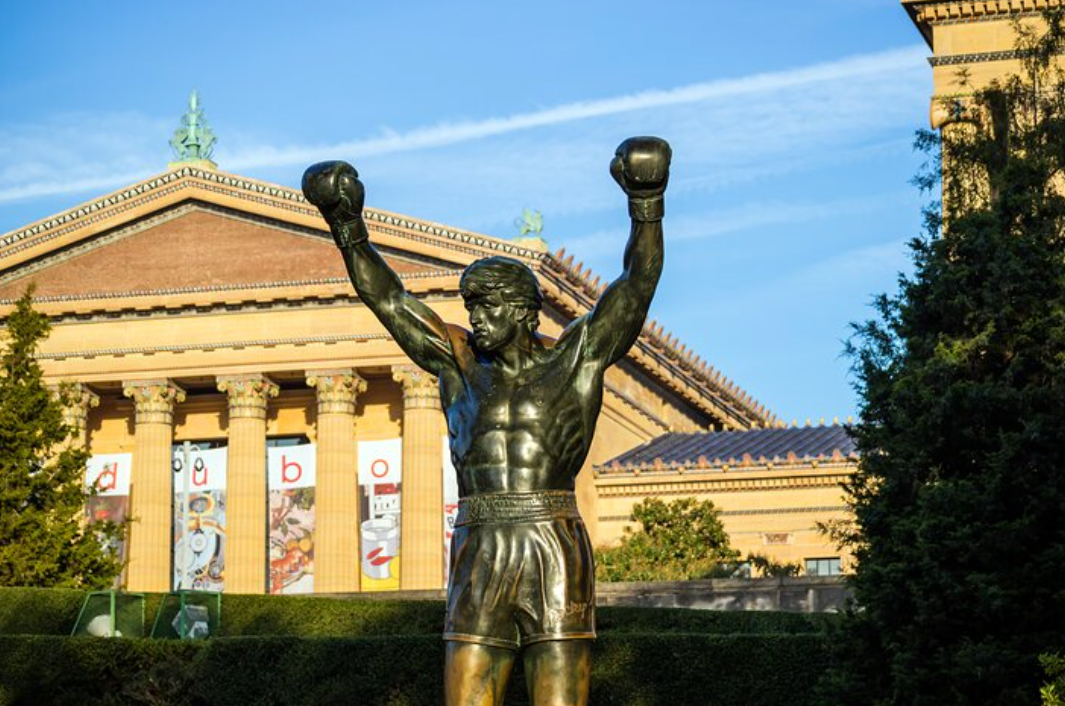
At the bottom of the steps, to the right of the main entrance, stands a ten-foot bronze statue of Rocky Balboa in his fighting stance. It was commissioned for Rocky III in 1982, caused immediate controversy — the city arts commission refused to accept it as public art on the grounds that a fictional boxer was not an appropriate subject for a civic monument — and eventually found its permanent home at the base of the museum steps after a period of relocation to the south parking lot, which satisfied nobody.
The statue is now as much a part of the Philadelphia landscape as the Liberty Bell, which is either a triumph of popular culture over institutional taste or proof that cities eventually accept the monuments their residents actually want rather than the ones their arts commissions prefer. Both things can be true simultaneously.
The queue for photographs with the statue is consistent throughout the day. The statue adopts Rocky's triumphant arms-raised pose. Every visitor photographs themselves in the same pose. This has been happening for over forty years. It shows no sign of stopping.
Location 03Pat's King of Steaks — The Cheesesteak Corner
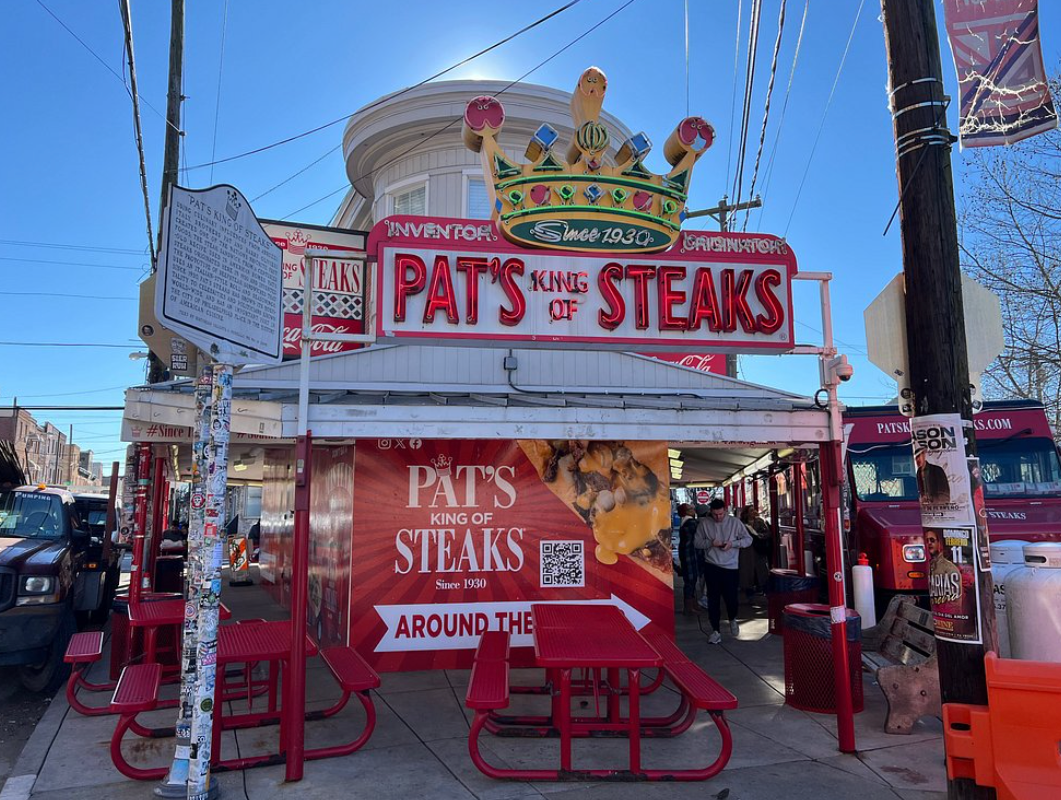
Pat's King of Steaks at 1237 East Passyunk Avenue in South Philadelphia appears in the original Rocky when Adrian's brother Paulie stops to pick up cheesesteaks on a corner that has been making them since 1930. Pat's claims to have invented the Philadelphia cheesesteak, a claim that is disputed by Geno's Steaks, which opened directly across the street in 1966 as a competitive measure and has been engaged in an ongoing cheesesteak cold war ever since.
There is a plaque at Pat's marking the exact spot where Stallone stood for filming. It is on the corner of Passyunk and 9th Street. The cheesesteaks at Pat's are made the same way they have been made since 1930 — chopped beef, optional cheese (Cheez Whiz is the traditional choice, which tells you something about Philadelphia's relationship with authenticity), on a long hoagie roll. They are served through an open window. You eat them standing up. The correct response to anyone who questions whether Cheez Whiz belongs on a cheesesteak is to say nothing and continue eating.
Location 04The Italian Market — 9th Street
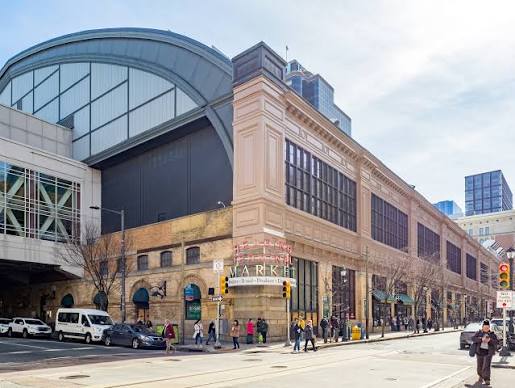
Rocky's training montage runs through the Italian Market on South 9th Street between Federal and Christian Streets — a real, working open-air market that has operated in South Philadelphia since the 1880s and is the oldest and largest working outdoor market in America. In the film, Rocky jogs through the stalls in the early morning, traders beginning their day around him, the market setting giving the sequence its particular texture of authentic working-class Philadelphia.
The vendors in the market scenes were not actors. They were the people who worked there every morning, who happened to be setting up their stalls on the days the crew arrived and found themselves immortalised in a Best Picture winner. The market looks broadly as it did in 1976 — fresh produce, meat, fish, imported Italian goods, cheeses — with the addition of more diverse food businesses reflecting the neighbourhood's changing demographics over the past fifty years.
The Italian Market is worth a visit entirely independently of Rocky. It is one of the best food markets in America, with outstanding butchers, cheese shops and bakeries alongside the produce stalls. Going early in the morning — before 10am — gives you the market at its best and closest to the atmosphere in the film.
Location 05Rocky's Neighbourhood — Kensington
Rocky Balboa's apartment is at 1818 East Tusculum Street in the Kensington neighbourhood of North Philadelphia. The red brick exterior of the building is still there and recognisable, though the surrounding area has changed considerably since 1976 and not uniformly for the better. Kensington has faced significant economic challenges over the past several decades and is today one of the more deprived neighbourhoods in the city.
This is worth knowing before you visit rather than after. Drive past rather than walk. The building exterior delivers the recognition you're looking for — the weathered brick, the fire escapes, the general atmosphere of the neighbourhood Rocky was trying to escape from — and provides the necessary context for why the steps of the art museum meant what they meant. The contrast between Kensington and the Benjamin Franklin Parkway is exactly the contrast the film is built around.
Location 06Mighty Mick's Gym — Front Street
The exterior of Mighty Mick's gym — the run-down boxing club where Mickey trains Rocky — is at 2147 North Front Street in the Fishtown neighbourhood. The red brick facade is the one seen in the film. The interior scenes were not filmed here — they were shot in Los Angeles at the Main Street Gym, which has since been demolished — but the exterior is the correct one and still standing.
Fishtown itself has undergone significant gentrification since 1976 and is now one of Philadelphia's more fashionable neighbourhoods, full of restaurants, bars and independent shops. The gym facade on Front Street sits in this context with a certain incongruity. Rocky's Philadelphia was working class by necessity. Parts of it are now working class by aesthetic choice, which is a different thing entirely.
Your Rocky Philadelphia Itinerary
- Start at the Italian Market — 9th Street between Federal and Christian. Go before 10am. Eat something.
- Pat's King of Steaks — 1237 East Passyunk Avenue. Find the plaque. Order a cheesesteak with Whiz. Stand your ground on the Cheez Whiz.
- Drive past Rocky's apartment — 1818 East Tusculum Street, Kensington. Exterior only.
- Mighty Mick's gym exterior — 2147 North Front Street, Fishtown.
- The Rocky Steps — Philadelphia Museum of Art, Benjamin Franklin Parkway at 26th Street. Run up all 72. Arms raised at the top. This is non-negotiable.
- The Rocky Statue — base of the museum steps, to the right of the main entrance. Join the queue. Strike the pose.
- Inside the museum — optional but recommended. One of the largest art collections in America.
- Philadelphia International Airport is about 7 miles south of the city centre — 20 minutes by car, 25 minutes on the SEPTA Airport Line train.
Getting There and Where to Stay
✈️ Getting there & staying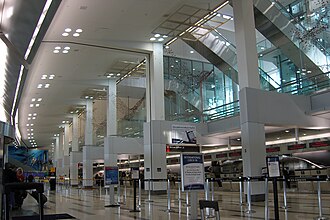
Philadelphia International Airport serves the city with direct connections from most major US hubs and some transatlantic routes. Amtrak's 30th Street Station connects Philadelphia to New York (90 minutes), Washington DC (90 minutes) and Boston (5 hours), making it an easy addition to a northeast US itinerary.
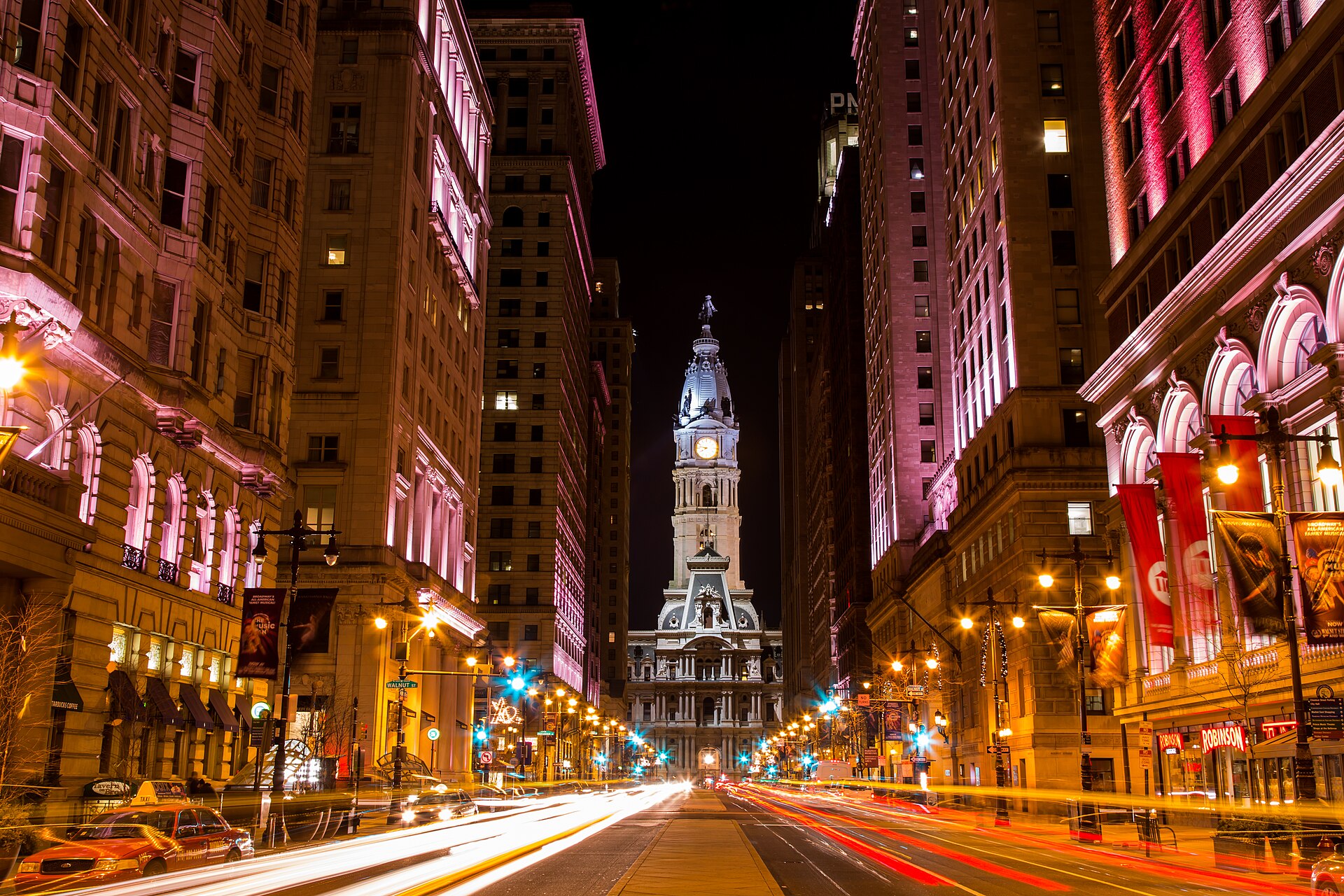
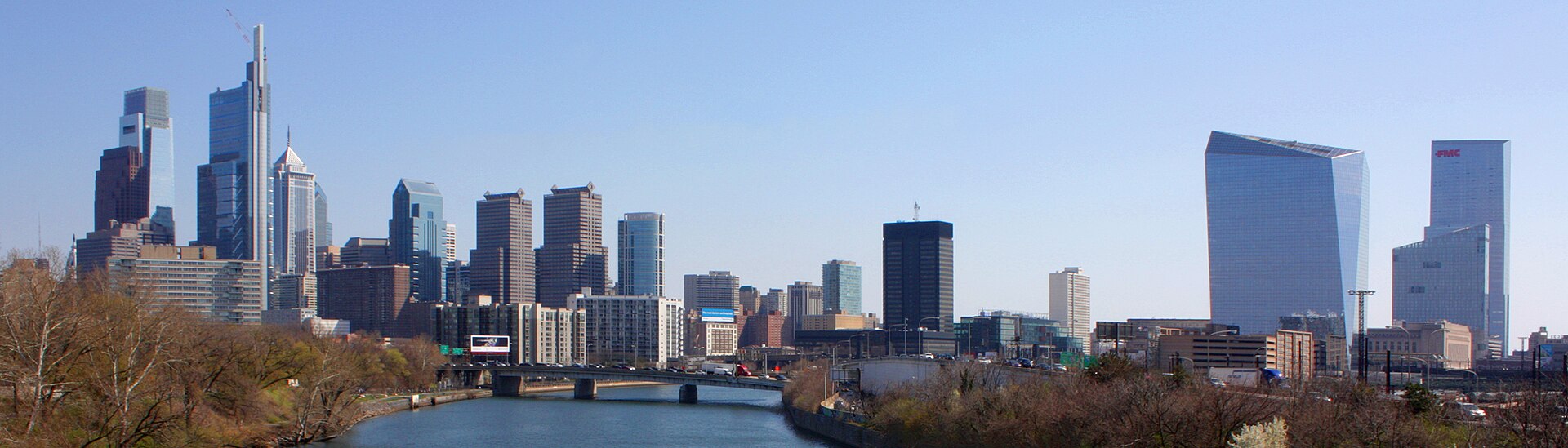
The most practical base for a Rocky tour is Center City — the central grid of Philadelphia that puts you within walking distance of the museum and a short drive or rideshare from South Philadelphia and the Italian Market. The hotel options range from major chains along Market Street to boutique properties in the Old City neighbourhood adjacent to Independence Hall and the Liberty Bell.
A self-guided Rocky walking tour takes around three to four hours at a comfortable pace, not including time at the museum or a proper sit-down cheesesteak. Allow a full day to do it properly. The city tourism authority runs an official Rocky and Creed tour guide that covers additional locations from the later films if you want to extend the itinerary into Creed territory, which adds Michael B. Jordan and several excellent South Philadelphia training sequences to the mix.
The steps are real. The statue is real. The cheesesteak is real. Philadelphia has spent fifty years building an entire tourist infrastructure around a fictional boxer who trained on public steps, bought food from a real corner and lived in a neighbourhood most tourists would not otherwise visit. It is one of the great unplanned partnerships between a film and a city. Rocky needed Philadelphia to be real. Philadelphia needed Rocky to be remembered. It worked out for both of them.